



Storekit was built with a clear point of view: hospitality technology should enhance the guest experience, not get in the way of it. Founded by a team with deep roots across POS, payments, and restaurant infrastructure, Storekit emerged in response to an industry that was struggling with outdated systems, fragmented tools, and unnecessary complexity. What started as a simple click-and-collect solution during lockdown quickly evolved into a powerful, guest-first ordering platform trusted by operators across the UK and beyond.

In this conversation, we sat down with the Storekit team to explore how the platform has grown, why simplicity remains at the core of their product philosophy, and how community-driven development continues to shape their roadmap. We also discuss the importance of connected systems in modern hospitality, and how partnerships with Stream help enable real-time POS integrations, faster onboarding, and seamless operations across pickup, delivery, and in-store channels.
The Story Behind Storekit
Stream: Storekit has become one of the most trusted names in digital ordering for hospitality. How did Storekit get its start, and what gap in the market were you trying to fill when building the platform?
Storekit: We'd spent over 10 years working within hospitality tech - from bringing new POS systems to market, to implementing hardware, to building payment gateways. So we had seen the good, the bad, and the ugly. We were tired of seeing clunky tech slowing restaurants down, and hurting the guest experience... Hospitality, the experience that you're meant to feel (and the tech) wasn't scaling as it should. Systems were built in the early 2000s, or looked like it (and felt like it). We always looked up to Shopify - so when COVID hit, and restaurants across the UK were either forced to close, or launch on Deliveroo or Uber Eats, we knew we had to do something about it.
Our co-founder and CTO, Ben, locked himself away for a weekend, and built the first version of Storekit - a self-serve, click & collect platform. Where restaurants could sign up, upload their menu in minutes, and start taking orders - keeping them open for takeaway during the lockdown. We quickly added delivery. Then when restaurants were allowed to open again, with social distancing - we introduced QR ordering.
The majority of the new features we build (and we build a lot of them - launching new features daily) are based on community feedback, directly from our restaurants. We've always maintained a guest-first approach, putting the guest experience at the core of our business. But also ensuring that we make the team in the restaurants' lives easier. Removing any friction, and giving them back time to focus on the most important part - the hospitality.
The Modern Hospitality Experience
Stream: Storekit gives operators powerful tools for mobile ordering, payments, and delivery - all while keeping the guest experience simple. How do you approach creating technology that enhances hospitality rather than complicating it?
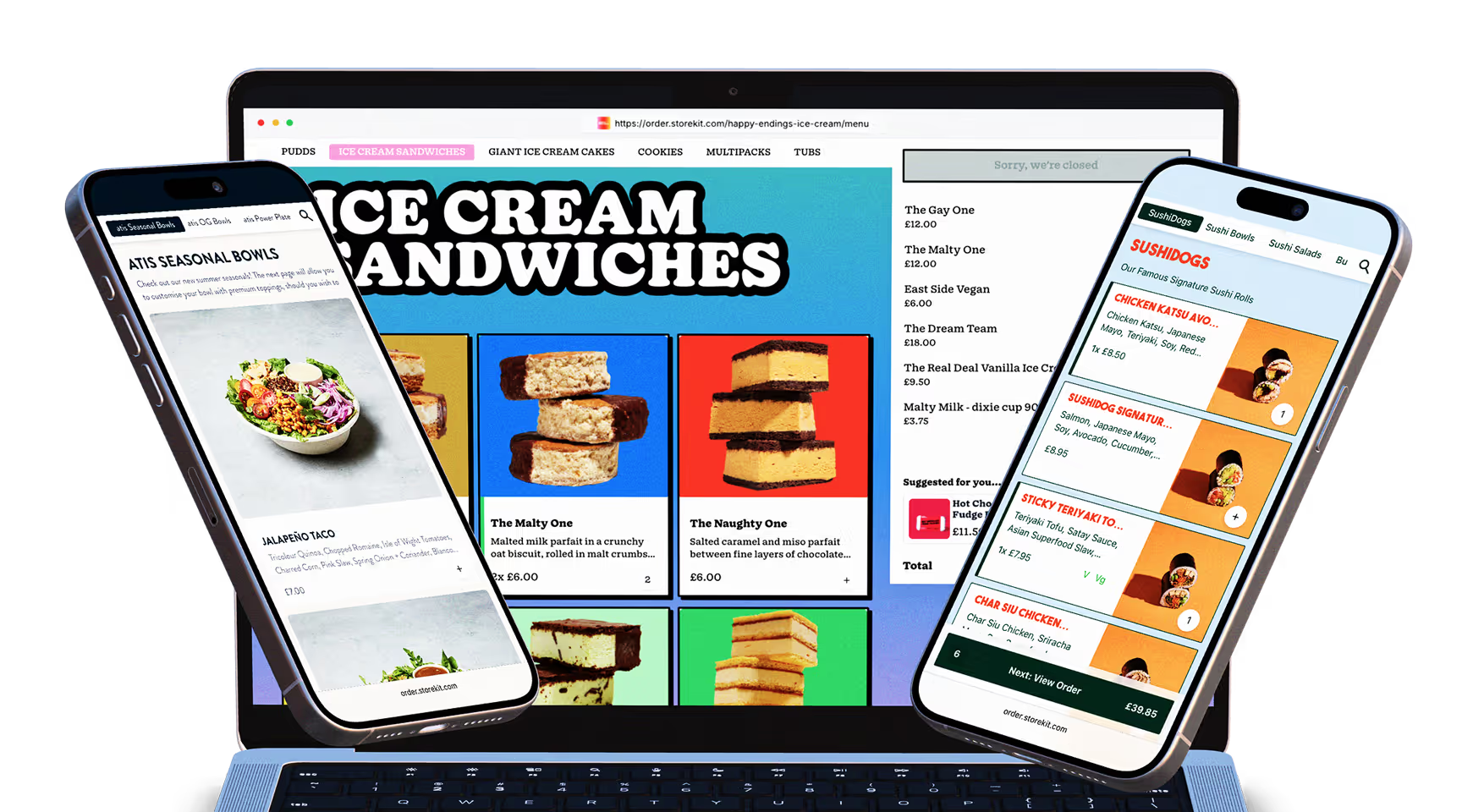
Storekit: If someone needs to think when they use your product - you've already failed. Especially within hospitality, where you can be working with someone who LOVES technology and wants to be a beta tester for all of the new features, but also, people who are self-proclaimed technophobes, and are against change.
From a guest perspective - it's all about reducing clicks and time to checkout. Any friction in the process is a chance to lose a customer. That's how we've ended up with the highest converting online ordering platform for restaurants.
From a restaurant perspective - we focus on solving real problems. We actually talk to our customers. Find out what they need help with, and what pains them - and then we build to remove this.
Partnership with Stream
Stream helps power Storekit's connectivity across POS systems and third-party delivery platforms. How has this partnership strengthened your ability to provide restaurants with real-time, reliable data syncing for menus and orders?
Storekit: Our partnership with Stream has allowed us to access more POS integrations like Toast and Square, and simplify the restaurants' operations. We can now onboard new customers quicker, have full control over a wider range of integrations, and give the added bonus of aggregating third-party delivery platforms.
From Stream:
George Beeby, VP of Europe at Stream, shared his perspective on the Stream x Storekit Partnership: "Storekit shares our belief that hospitality tech should feel effortless for operators and guests alike. Their commitment to a great user experience and their ability to execute quickly make them a strong partner as we work to keep operators connected across every channel."
Real-World Results
Stream: Can you share an example of how restaurants using Storekit connected through Stream have seen measurable results - through smoother operations, faster onboarding, or better delivery management?
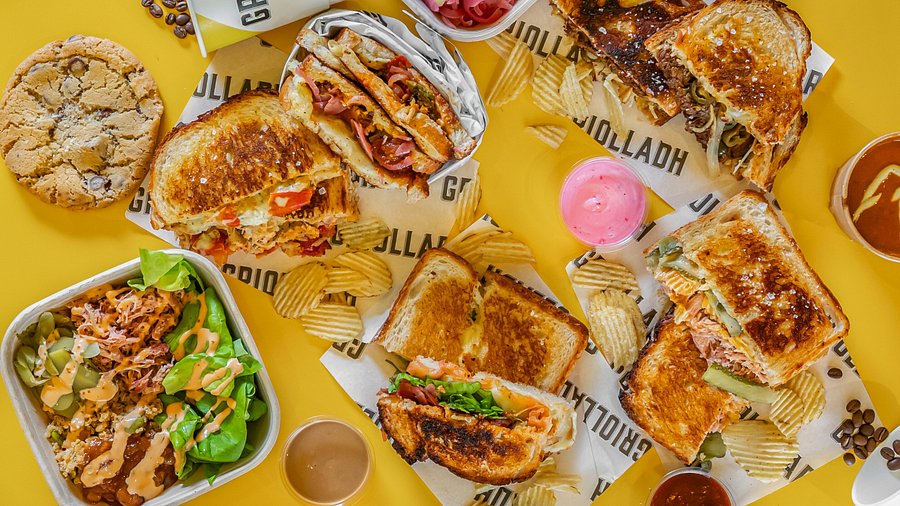
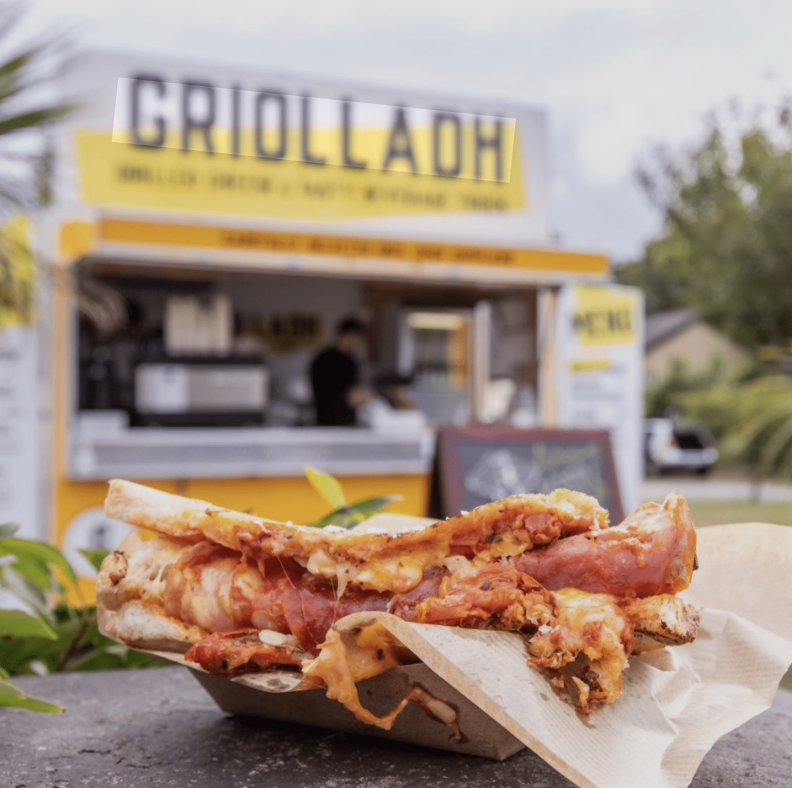
Storekit: A great example would be our partnership with Toast x Leat x Stream, at Griolladh. Griolladh is a fast-growing multi-location restaurant group in Ireland.
By working with Storekit and Stream, Griolladh have closed the loop on their loyalty (previous systems were not integrated, so they had a leaky customer bucket) - and now giving customers a unified guest experience across all channels (pickup, delivery, and in-store), with a 360-degree view on customer data (and loyalty).
They have also been able to simplify operations, by aggregating marketplace orders into Toast, via Stream.
Looking Ahead
Stream: As restaurant technology continues to evolve, where do you see the future of connected ordering platforms like Storekit? How do partnerships and integrations, such as the one with Stream, shape that future?
Storekit: Our goal is to be the guest experience engine for ambitious restaurants, globally. We're seeing the same shift that happened in e-commerce, where brands moved from marketplaces to their own websites (built with Shopify), happening in hospitality. And we're growing at an increasing rate, month-on-month.
In terms of partnerships, and integrations, we've always had the ethos to partner with the best, rather than build average. That's why we've never built an all-in-one solution like many others - we've focused on building the best-in-class guest experience, and then working with other best-in-class products, in their respective category.