



The restaurant expansion playbook is changing fast. Brands are no longer limited by traditional storefront timelines, massive buildouts, or months-long operational setup processes. Hosted Kitchens has positioned itself at the center of that shift, helping brands like Wingstop, Taco Bell, and German Doner Kebab launch delivery-first locations with speed and operational precision. We sat down with Hosted Kitchens founder Sean Murray to talk about the future of restaurant infrastructure, the operational complexity that comes with multi-brand kitchen environments, and how Stream helps simplify integrations, menu management, and launch velocity behind the scenes.

Hosted Kitchens sits at the center of a pretty big shift in how food businesses operate; delivery-first, multi-brand, and asset-light. From your perspective, what’s fundamentally changing about how restaurant brands are built and scaled today?
Sean Murray: In the past it was all about the physical dining room. Over the years there was a focus on reducing the kitchen footprint and optimizing the front of house. That script has completely flipped as consumers now expect food wherever they want it - in their car, at home, or at the restaurant itself.
The brands that are winning right now recognize this shift early and build their operations, systems, and infrastructure around it.
You’re working with a wide range of brands, from early-stage concepts to established operators expanding into new markets. What separates the brands that succeed in a Hosted Kitchens environment from the ones that struggle?
SM: The restaurant brands we’ve partnered with that perform best typically have very well-seasoned execution playbooks, strong brand momentum, and a clear value proposition.
The brands that struggle usually have inconsistencies operationally. That can come from weak SOPs, an inferior tech stack, or simply not having enough resources allocated toward marketing and operational execution. In a delivery-first environment, those issues get exposed quickly.
When you’re running multiple brands, locations, and ordering channels out of a single kitchen environment, the operational complexity can stack up quickly. Where do you see the biggest friction points today when it comes to managing orders, systems, and day-to-day execution?
The single biggest friction point is where there’s a lack of integration between systems. That costs teams time on every order and creates unnecessary operational overhead throughout the day.
During a busy service, items get forgotten and mistakes get made when chefs are juggling multiple screens and different receipt formats. Those extra seconds and minutes on every order create a multiplier effect during peak hours, which inevitably leads to poor customer experiences.
The smoother the systems are connected behind the scenes, the easier it becomes for teams to focus on execution instead of fighting operational friction.
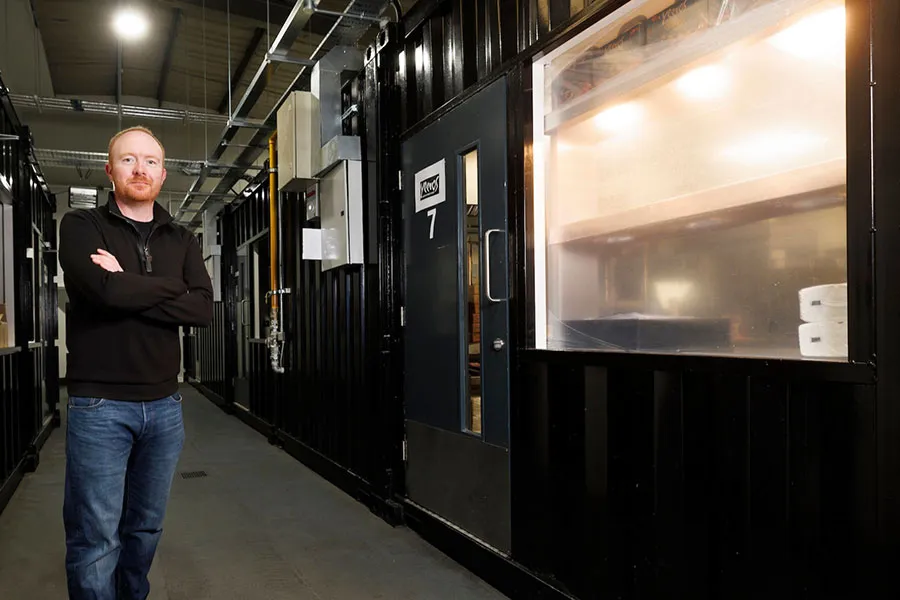
Several Wingstop locations have used Hosted Kitchens to expand via ghost kitchens. What have you learned from working with a brand like Wingstop about scaling into new markets without traditional storefronts? What needs to be true operationally for that to work well?
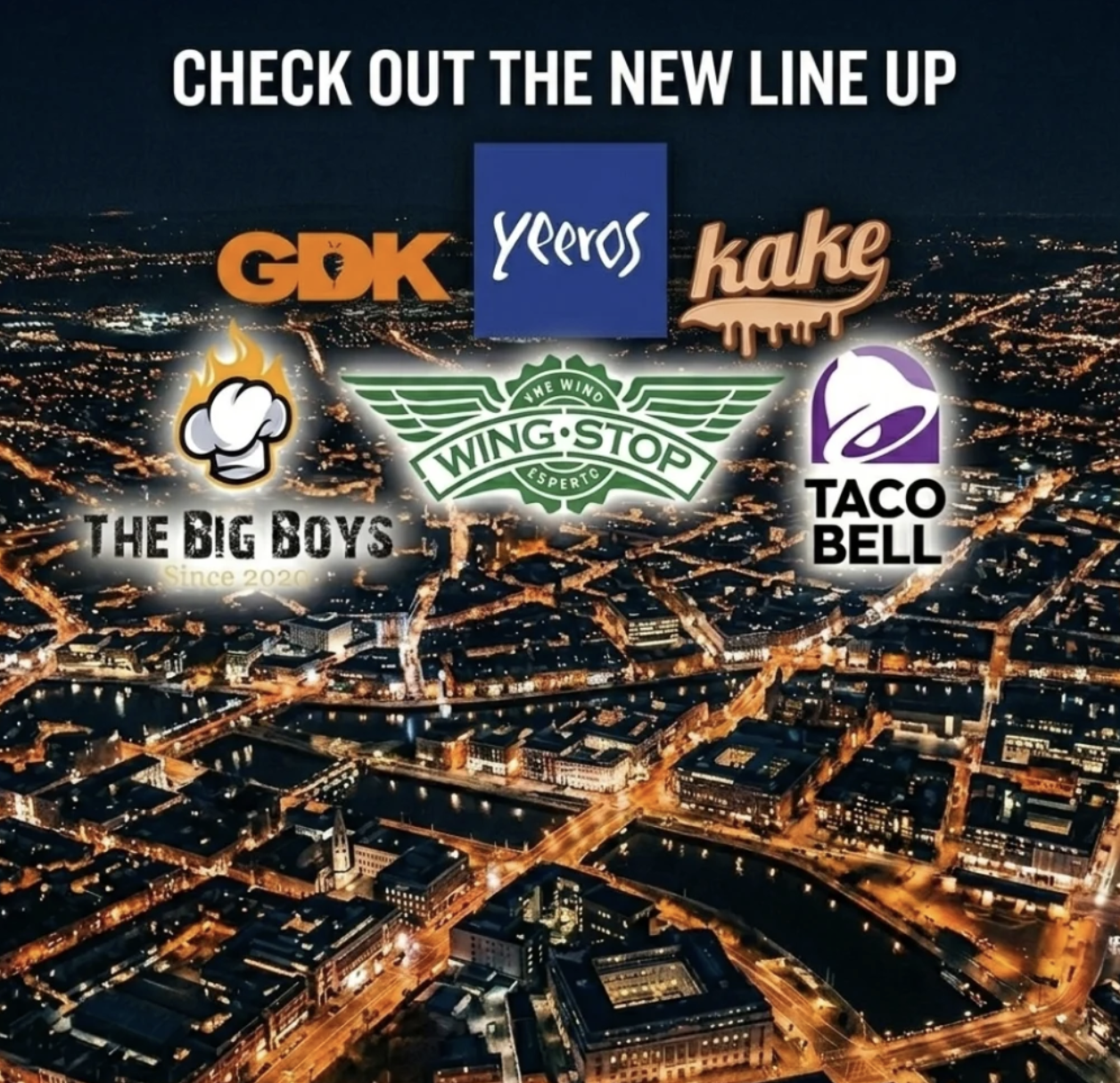
SM: We’ve now helped Wingstop, Taco Bell, and German Doner Kebab execute this type of market entry strategy, and there have been a lot of learnings with each launch.
The biggest thing is preparation. We handle the difficult operational and regulatory work upfront so brands can launch much faster than they could traditionally. A process that would normally take months is already solved before they ever step foot in the kitchen.
From there, efficiency comes down to training and operational readiness. Getting teams prepared for peak demand takes practice. Simulating kitchens at maximum capacity before launch has become a really important part of making sure stores can handle the rush smoothly once they go live.
Where does Stream fit into the Hosted Kitchens model, and how has it helped simplify how orders, menus, and integrations are managed across brands and locations?
Before working with Stream, we managed multiple POS integrations internally. Maintaining and updating those integrations was both time-consuming and expensive for a relatively small in-house tech team.
Partnering with Stream has dramatically simplified that process. Operationally, one of the biggest changes has been launch speed.
When writing the launch project plan, we’ve moved from weeks to days to get menus synched and data flowing.
That speed matters when you’re launching new restaurant locations and supporting large brands that expect systems to work reliably from day one. Stream has helped remove a significant amount of operational friction from that process and allowed us to scale much more efficiently.
---
About Stream
Stream helps restaurant brands and technology partners simplify integrations, synchronize menus and ordering systems, and reduce the operational friction that slows growth. From multi-unit restaurant groups to modern delivery-first infrastructure providers like Hosted Kitchens, Stream helps teams move faster with greater visibility and operational control.
For technology companies, Stream also offers white-label integration infrastructure, allowing partners to bring integrations fully in-house while maintaining ownership of the brand and customer experience. Instead of building and maintaining complex integrations internally, partners can leverage Stream’s infrastructure to launch faster, scale more efficiently, and deliver a seamless experience directly within their own platform.