



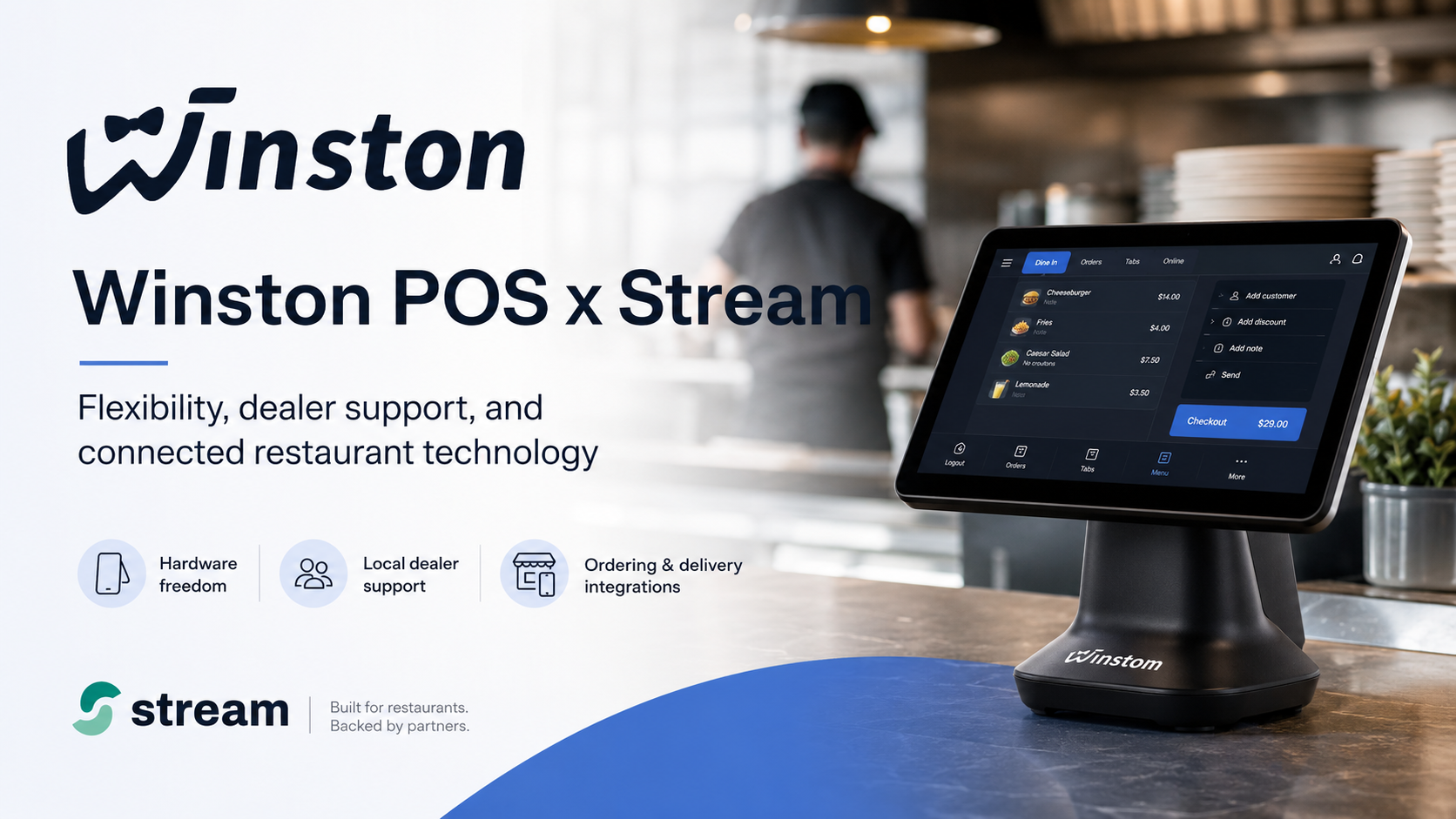
Winston POS on Flexibility, Dealer Support, and Connected Restaurant Technology
Restaurant operators are no longer buying a POS in isolation.
Today, the POS often sits at the center of a much larger technology stack across in-store service, payments, online ordering, delivery, kitchen workflows, reporting, and support. As restaurants become more connected, operators are looking for systems that give them more flexibility, while dealers need tools that are easier to install, support, and expand after go-live.
Stream sat down with the team at Winston POS to talk about flexibility in the POS market, the importance of dealer support, the growing role of integrations, and how Winston and Stream are helping restaurants reduce manual work across ordering and delivery channels.
Restaurant operators are no longer buying a POS in isolation. How does Winston think about the role of the POS in a more connected restaurant environment?
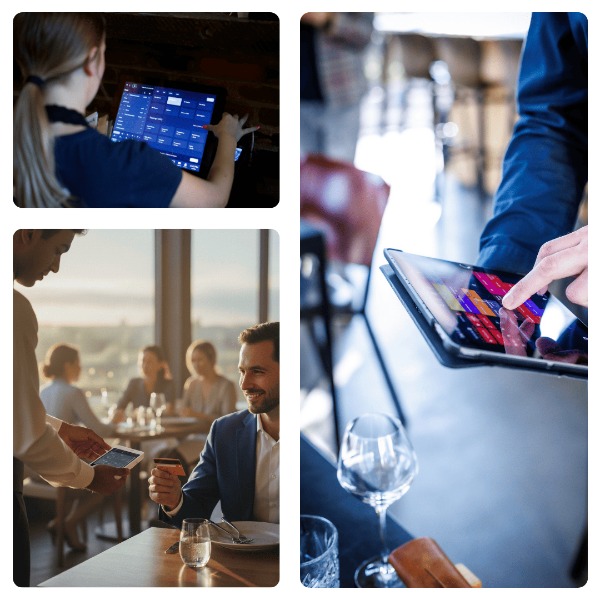
Bringing freedom back to restaurant operators is what we truly stand for with Winston.
For many operators, frustration comes from a combination of things: outdated systems that force them to use specific hardware, modern systems with poor payment deals, or technology ecosystems where there is no real ability to switch.
At Winston, we try to give operators as much freedom as possible across the board. We do this by running on all hardware and operating systems, being payment processor agnostic, and partnering with many strong integration partners.
This allows restaurant operators to build their tech stack according to their own preferences, instead of being forced into a setup that does not fit the way their business actually runs.
We see that operators value that freedom, and it is one of the reasons they choose Winston.
Winston has leaned into flexibility across hardware, payments, and local dealer relationships. Why does that flexibility matter for restaurants today, and how does it help dealers serve a wider range of operators?
For restaurants, flexibility means they can assemble an ecosystem that works for their business, while still having excellent local support from a dealer.
For dealers, that flexibility means they can serve a wider range of restaurants and avoid missing out on opportunities because of rigid hardware, payment, or system requirements.
Winston is also designed to be very user-friendly. We often hear from operators and staff that they get the hang of the system quickly. That has a real impact for dealers, because they spend much less time on installation and onboarding and have more time to connect and support additional merchants.
One piece of concrete feedback we have heard from dealers is: “We’re almost three times faster with installation and onboarding than we were with our old system.”
The flexibility also helps dealers when a restaurant has specific needs. If a fine dining restaurant wants to work with premium Apple hardware, that works. If a food truck wants to keep things simple with an affordable tablet, that works too.
These are real scenarios we encounter often, and they show why flexibility matters in practice.
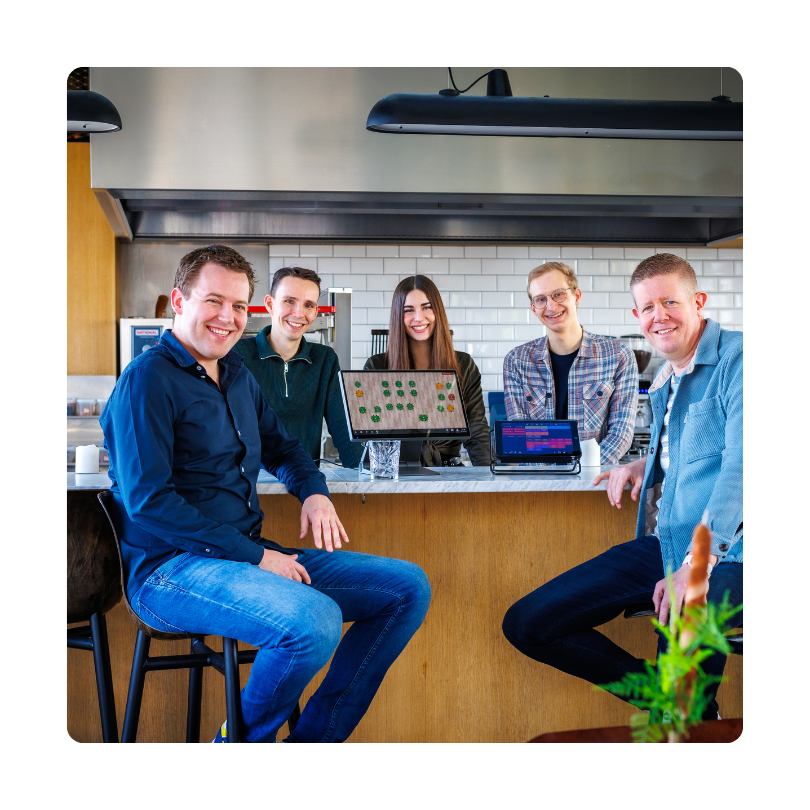
Dealers are often closest to the restaurant. How does Winston think about empowering dealers beyond the initial POS sale?
Dealers understand the pain points, the workflows, and what actually happens after go-live. That makes them an important part of the restaurant technology relationship.
By integrating Winston with specialized solutions like Stream, we give dealers the tools to offer restaurants a more complete setup. A restaurant can start with the POS, then scale into additional tools as its needs grow.
In many cases, the restaurant puts together its core setup at the start. But over time, operators often want to improve communication between service and kitchen with kitchen displays. Those can be integrated seamlessly.
The same is true for businesses that want to start offering delivery and takeaway. That is where a partner like Stream becomes important, because restaurants and dealers can connect ordering and delivery channels into the POS instead of managing those systems separately.
Integrations have become a major part of the POS conversation. Where do restaurant operators struggle most when systems do not connect cleanly?
When integrations are poor or non-existent, restaurant teams lose a lot of time.
A simple example is a price change. Without an integration, the restaurant has to manually update every delivery platform separately. That takes time, it is easy to forget something, and it creates room for errors.
The same applies to changes to items, categories, and modifiers. If those changes need to be made in multiple places, the work becomes repetitive and error-prone.
In a hectic restaurant environment, operators want to automate as much as possible and minimize the risk of mistakes. Poor connectivity creates the opposite: more manual work, more frustration, and more ways for something to go wrong.
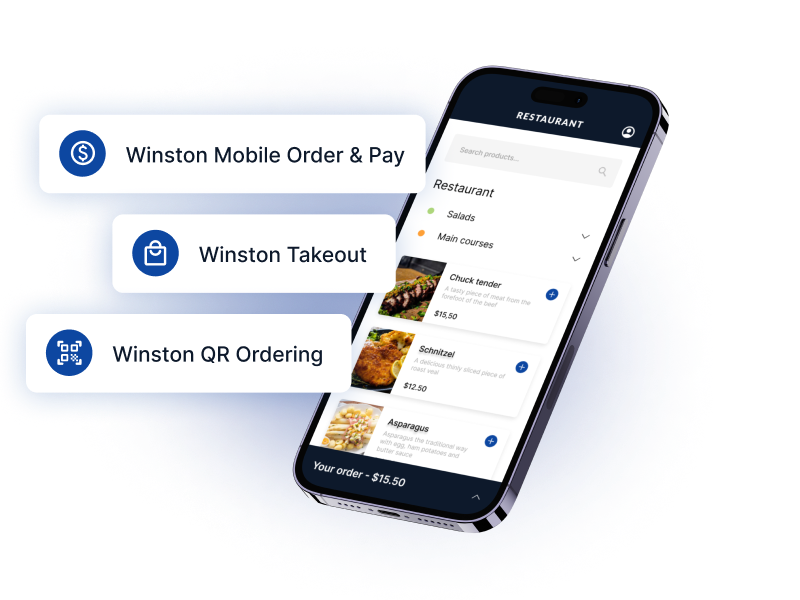
Winston and Stream are working together to make it easier for restaurants and dealers to connect online ordering and delivery channels into the POS. What should Winston dealers and restaurant operators know about this next phase of the partnership?
The biggest thing operators and dealers should know is how much time can be saved.
With Winston and Stream, restaurants can manage updates more efficiently across connected third-party providers. A price change that would otherwise need to be made separately on each platform can be handled from one place.
Changes to items, categories, and modifiers can also be made all at once.
Say a restaurant works with five different delivery platforms. Instead of updating each one separately, the restaurant can manage those updates through the integration. That means saving around 80% of the time compared to making the same changes across each platform manually.
For dealers, this creates a stronger solution to bring to restaurants. They are not just selling a POS. They are helping operators build a more connected technology setup around ordering, delivery, and day-to-day operations.
Looking ahead, where is Winston focused as the restaurant technology market continues to evolve?
We see restaurants placing more and more value on an ecosystem that truly works for them.
That means no hidden fees, transparent and fair pricing, and excellent on-site support from an expert instead of relying only on call centers. That is what we are building around, and that is how we believe an ecosystem should work for restaurant operators.
We also see a growing need for AI integration. Smart AI can make suggestions around inventory, purchasing, bestsellers, upsellers, historical data, weather forecasts, guest profiles, and broader market trends.
At Winston, we are already working hard behind the scenes to make this possible with Winston AI.
About Stream
Stream helps restaurant technology companies, POS providers, and ordering platforms expand their integration capabilities across online ordering and delivery channels.
For partners like Winston, Stream helps power the connectivity layer behind the scenes, making it easier for restaurants and dealers to manage menus, ordering updates, and delivery channels without adding more manual work to the floor.
For restaurant technology companies looking to offer more integrations under their own brand, or restaurant groups looking to simplify ordering and POS connectivity, Stream can help.